When you’re injured on the job as a USPS employee, knowing how to properly file for injury compensation can make a meaningful difference during recovery. Income disruption, medical bills, and uncertainty about benefits can quickly add stress if the claims process is not handled correctly.
USPS injury compensation is provided under the Federal Employees’ Compensation Act (FECA) and administered by the Office of Workers’ Compensation Programs (OWCP). While benefits are available, approval depends on accurate reporting, medical documentation, and meeting specific procedural requirements.
This guide explains how to file Form CA-1 and Form CA-2, what OWCP reviews during claim approval, and how to strengthen your claim from the beginning.
Understanding CA-1 vs CA-2 Claims
Before filing anything, it’s essential to know which form applies to your situation. Filing the wrong form is a common reason claims are delayed.
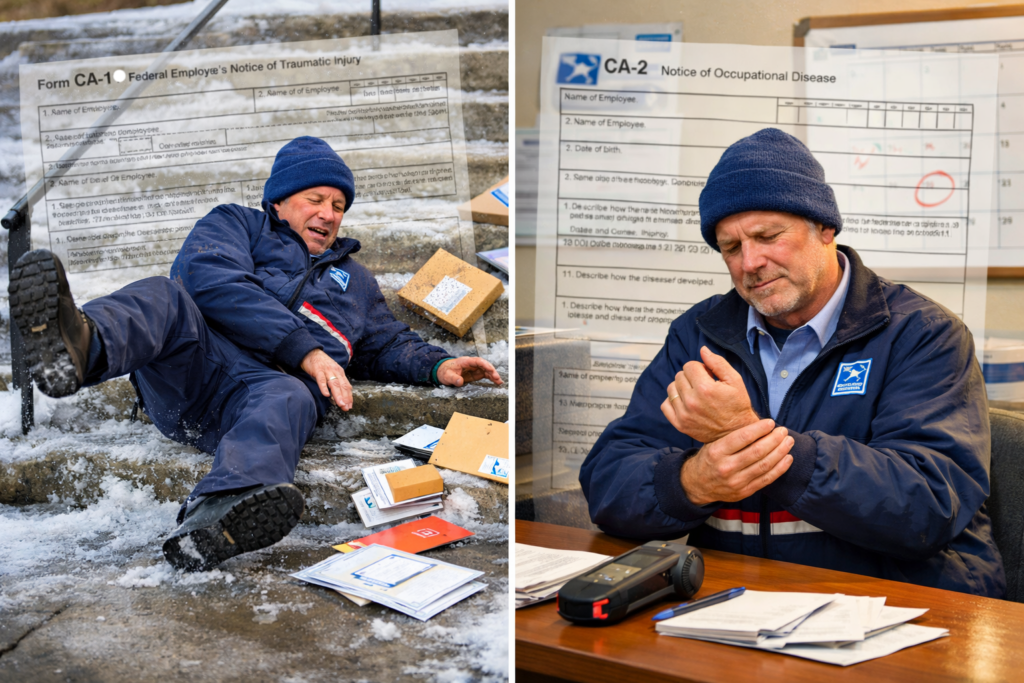
CA-1: Traumatic Injury Claims
Form CA-1 is used for traumatic injuries, meaning injuries caused by a specific event during one work shift. These incidents are identifiable by time, place, and activity.
Common examples include:
- Slipping or falling while delivering mail
- Being injured in a vehicle accident on duty
- Lifting a heavy parcel that causes immediate back pain
- Dog bites or being struck by an object
CA-1 claims may qualify for Continuation of Pay (COP), allowing eligible employees to receive up to 45 calendar days of pay while recovering.
CA-2: Occupational Disease or Illness Claims
Form CA-2 applies to occupational diseases, which develop gradually due to repeated work exposure rather than a single incident.
Examples include:
- Carpal tunnel syndrome from repetitive motions
- Chronic joint or back conditions
- Hearing loss from prolonged noise exposure
- Respiratory conditions linked to work environments
CA-2 claims do not include Continuation of Pay, but approved claims may qualify for wage-loss compensation.
Why Reporting Immediately Matters
Timely reporting is one of the most important factors in claim approval.
For traumatic injuries (CA-1), you should notify your supervisor as soon as possible and no later than 30 days after the incident. While OWCP may accept late filings in limited circumstances, delays raise questions and weaken claims.
When reporting:
- Be specific about what happened
- Include date, time, location, and job duties
- Avoid vague descriptions
For occupational disease claims (CA-2), you generally have up to three years from when you became aware that your condition was work-related. This is based on awareness of the work connection, not just when symptoms began.
Medical Evidence: The Core of OWCP Approval
OWCP does not approve claims based on employee statements alone. Medical evidence is the foundation of every approved claim.
Your medical documentation must establish:
- A diagnosed medical condition
- A work-related incident or exposure
- A clear causal relationship between the two
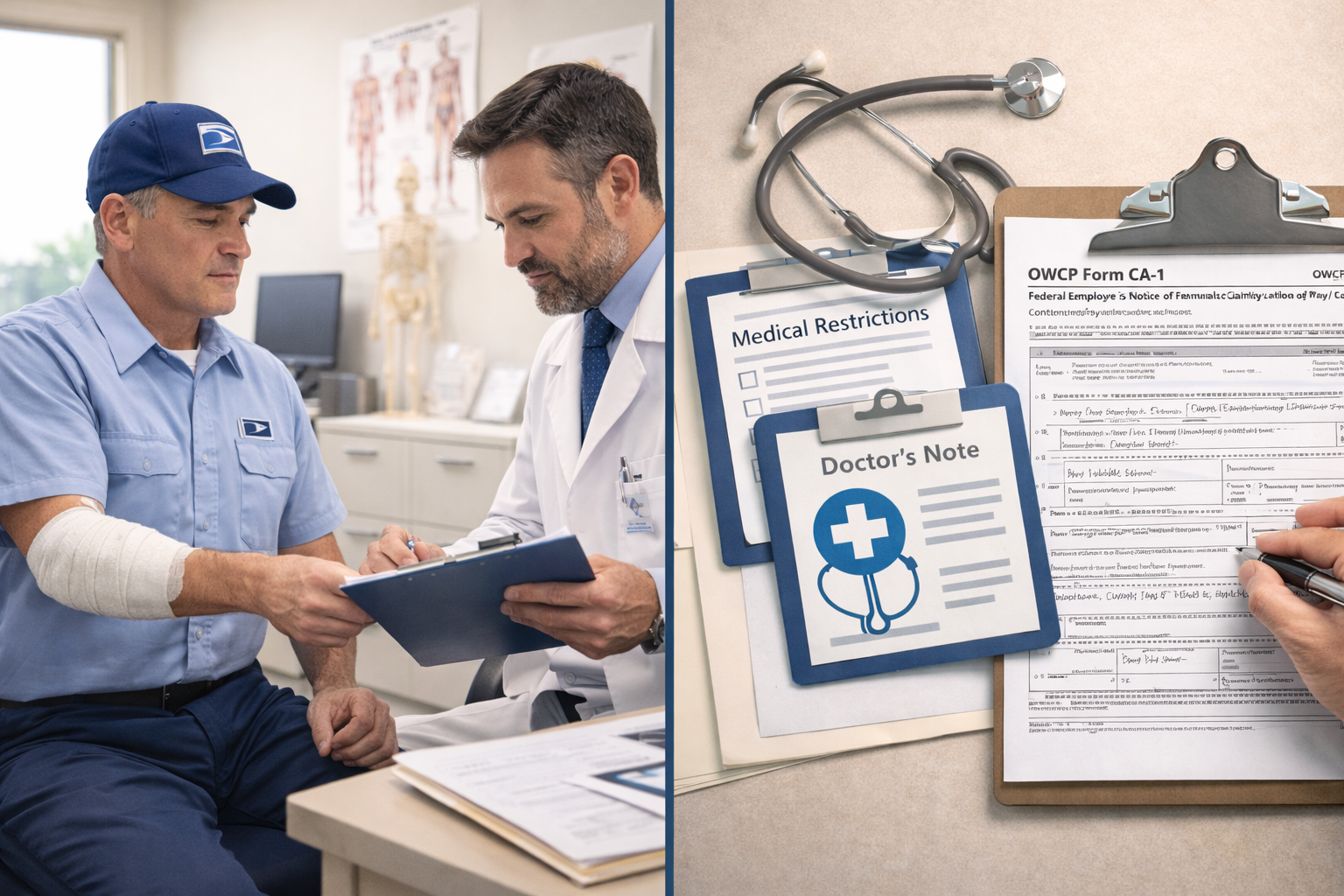
When seeking treatment, tell your provider the condition is work-related. Medical reports should include:
- A clear diagnosis
- Objective findings (tests, imaging, exams)
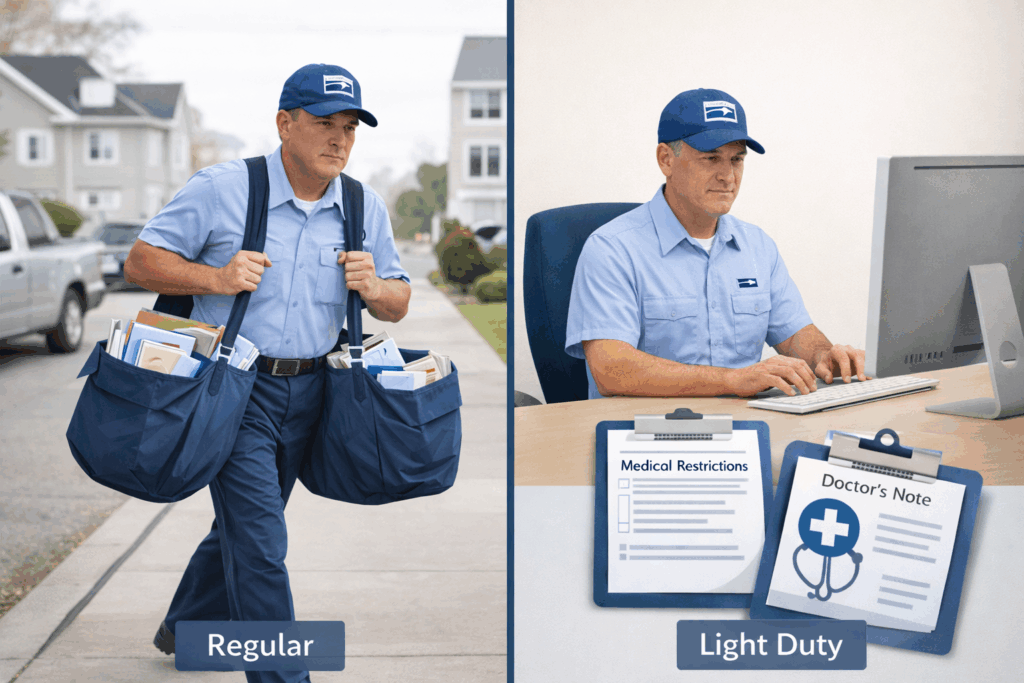
- Work restrictions or limitations
- A medical opinion linking the condition to your job
Statements such as “possibly related” or “could be caused by” are often insufficient. OWCP looks for well-reasoned explanations that clearly connect job duties or incidents to the medical condition.
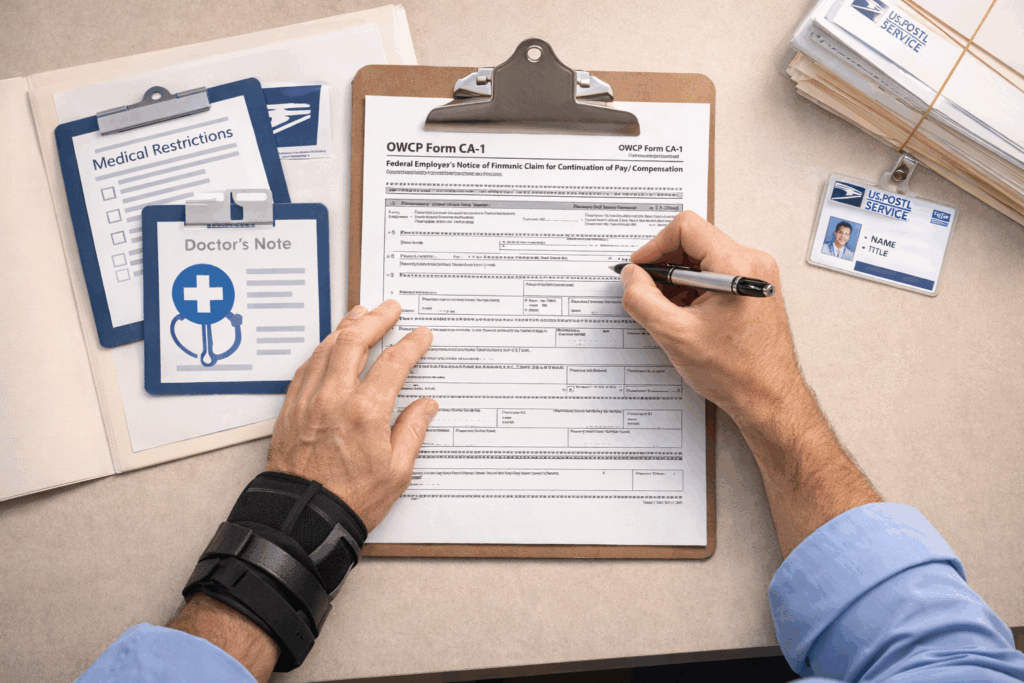
Completing CA-1 and CA-2 Correctly
Incomplete or unclear forms frequently delay claims.
When completing your portion:
- Describe the injury or illness in detail
- Identify specific body parts affected
- Explain how job duties caused or contributed to the condition
For example, instead of “hurt my back,” describe “lower back strain after lifting a 70-pound parcel during delivery.”
Your supervisor must also complete their section. If a supervisor delays or refuses, document the issue and submit the claim anyway. A supervisor’s action should not prevent filing.
Supporting Documents That Strengthen Claims
Submitting strong supporting documentation improves approval chances.
Helpful documents include:
- Medical records and diagnostic tests
- Physician work restriction forms
- Witness statements for traumatic injuries
- Documentation of job duties for occupational disease claims
For CA-1 claims, coworker statements confirming the incident can be especially helpful.
For CA-2 claims, evidence showing long-term exposure or repetitive duties supports causation.
Keep copies of everything you submit. If possible, send documents using a method that provides proof of delivery.
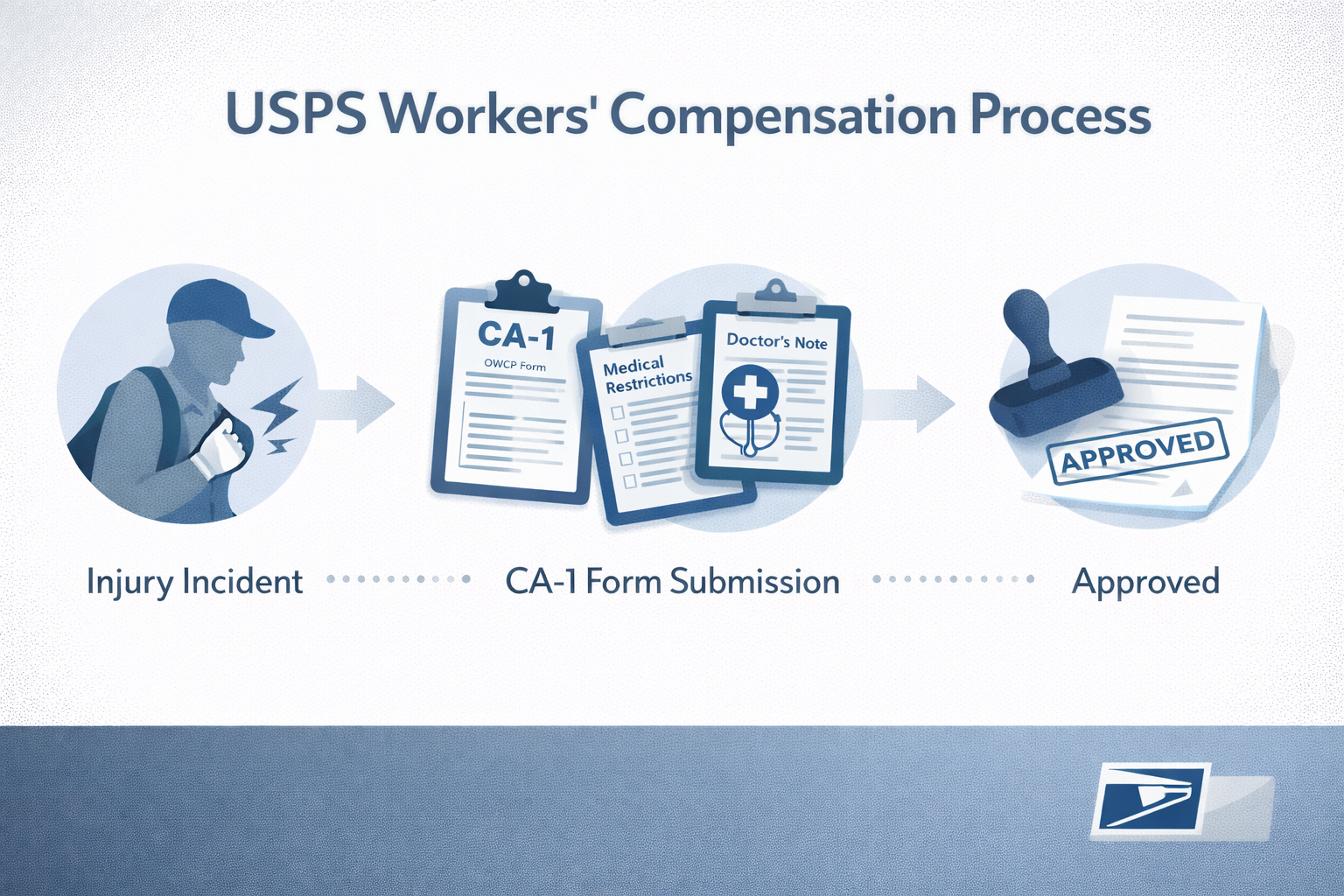
What Happens After You File
Once OWCP receives your claim, a claims examiner reviews the evidence. They may:
- Request additional medical information
- Ask for clarification from USPS
- Schedule a second opinion medical exam
Responding promptly to requests helps prevent delays. Failure to attend required medical exams can result in claim suspension or denial.
Processing times vary. Straightforward CA-1 claims with strong documentation may be approved relatively quickly. CA-2 claims often take longer due to their complexity.
Common Reasons Claims Are Denied
Understanding denial reasons helps avoid mistakes.
Common issues include:
- Insufficient medical evidence of causation
- Late reporting or filing
- Inconsistencies between reports and medical records
- Lack of a clear medical diagnosis
Pre-existing conditions can also complicate claims. OWCP may accept an aggravation of a pre-existing condition rather than a new injury, which requires careful medical explanation.
If Your Claim Is Denied
A denial is not necessarily final. You may request reconsideration by submitting new evidence that addresses the specific reason for denial. Appeal options and deadlines are outlined in the OWCP decision letter.
Reconsideration requests should focus on:
- Strengthening medical causation
- Correcting procedural issues
- Providing missing documentation
Timelines matter, so review denial notices carefully.
Income Replacement and Ongoing Protection
OWCP benefits may help replace lost income, but payments can take time to begin and may not fully replace wages in every situation. Understanding how Continuation of Pay, wage-loss compensation, sick leave, and Leave Without Pay (LWOP) interact helps employees plan financially during recovery.
Some USPS employees also explore broader disability income protection to help cover gaps OWCP does not address, particularly for non-work-related conditions.
Key Takeaways
Getting approved for USPS injury compensation requires:
- Filing the correct form (CA-1 or CA-2)
- Reporting injuries promptly
- Providing strong medical documentation
- Completing forms accurately and completely
Approaching the process carefully from the beginning improves the likelihood of approval and reduces stress during recovery.
If you’re dealing with a work-related injury as a USPS employee, understanding both the OWCP claims process and your broader disability income protection options can help support financial stability while you focus on healing.