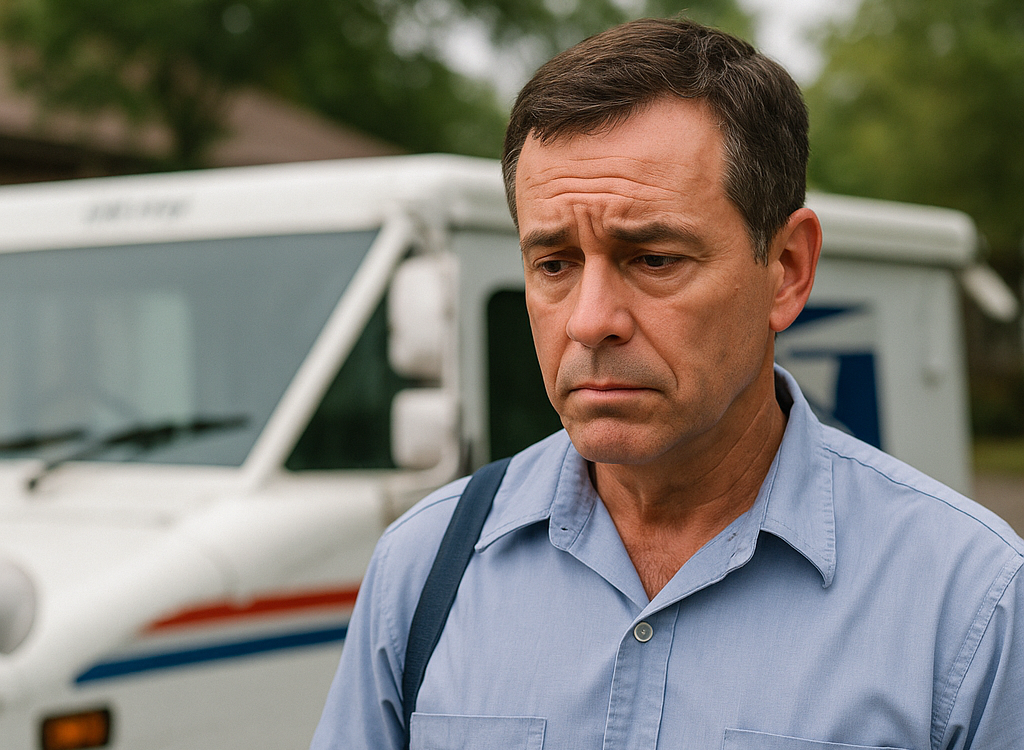

Retirement from the postal service marks an important transition. Along with changes to income, schedules, and daily routines, many USPS employees are surprised to learn that their life insurance does not remain exactly the same once they leave active service. Because life insurance is often handled automatically during employment, it can be easy to overlook how retirement affects coverage.
Understanding what happens to your life insurance at retirement helps reduce uncertainty and supports better decision-making. Knowing what changes, what stays the same, and when choices must be made allows you to approach retirement with greater clarity and confidence.
This article explains, step by step, how USPS life insurance works after retirement, what decisions you may face, and why reviewing your coverage before retiring is so important. The goal is education and understanding—not selling or recommending specific policy amounts.
USPS Life Insurance Before Retirement: A Quick Overview
Most career postal employees receive life insurance through the Federal Employees’ Group Life Insurance (FEGLI) program. While you are actively employed by the United States Postal Service, FEGLI coverage is largely automatic and integrated into your paycheck.
During your working years, life insurance typically functions in the background:
- Coverage is generally tied to your salary
- Premiums are deducted automatically from each paycheck
- Employer contributions help offset part of the cost
Because these features are built into employment, many USPS employees do not regularly review their life insurance elections. Coverage often remains unchanged for years, even as personal circumstances evolve.
As retirement approaches, however, this hands-off system changes.
Does USPS Life Insurance End When You Retire?
One of the most common concerns among postal employees is whether life insurance stops completely at retirement. The short answer is no—but it does change in important ways.
If you meet eligibility requirements at retirement, your FEGLI coverage can continue. However, retirement triggers several shifts:
- Payroll deductions end
- Employer cost-sharing generally stops
- Coverage and premium structures may change
- Certain elections must be made within specific timeframes
These changes are why retirement is a critical point for reviewing life insurance. What worked well during active employment may not function the same way once income sources and benefit structures shift.
Basic FEGLI Coverage After Retirement
How Basic Coverage Continues
Basic FEGLI coverage forms the foundation of USPS life insurance. To carry this coverage into retirement, you must generally have been enrolled for a required period prior to your retirement date.
Once you retire, Basic coverage does not simply continue unchanged. Instead, retirees are required to make an election that determines how this coverage will be handled over time.
These decisions affect both coverage levels and future costs.
Coverage Reduction Choices
At retirement, Basic FEGLI typically offers several coverage paths. While specific details depend on program rules at the time you retire, options often include:
- Gradual reductions in coverage after reaching a certain age
- Continued coverage with ongoing premiums
- Combinations of reduced coverage and reduced costs
These elections are significant because they are usually permanent. Once selected, they cannot easily be changed later. This makes it especially important to understand how each option works before finalizing retirement paperwork.
Optional FEGLI Coverage in Retirement
In addition to Basic coverage, many USPS employees carry optional FEGLI coverage during their careers. Retirement affects these optional coverages differently than Basic FEGLI.
What Changes for Optional Coverage
After retirement, optional FEGLI coverage typically experiences the following changes:
- Employer contributions no longer apply
- Premiums are paid directly by the retiree
- Costs often increase as the retiree ages
Because premiums are no longer subsidized and are age-based, optional coverage can become significantly more expensive over time. This is one reason many retirees reassess whether to keep all optional coverage indefinitely.
Family Coverage Considerations
Optional FEGLI coverage may also include protection for spouses and dependent children. While this coverage can continue into retirement, costs and eligibility rules may change.
As children become financially independent or family circumstances evolve, retirees often revisit whether family coverage still aligns with their needs. Reviewing these details before retirement can help avoid unnecessary expenses later.

Why Life Insurance Costs Often Increase After USPS Retirement
Many retirees are caught off guard by rising life insurance costs after leaving active service. This usually happens for three main reasons.
Loss of Payroll-Based Subsidies
During employment, USPS contributes toward certain life insurance costs. After retirement, this contribution typically ends, shifting the full cost to the retiree.
Age-Based Premium Increases
FEGLI premiums for optional coverage are often tied to age brackets. As retirees move into higher age bands, premiums can rise accordingly.
Reduced Flexibility After Retirement
Once retirement elections are made, flexibility is limited. Retirees cannot always adjust coverage easily if costs increase beyond expectations.
Understanding these factors ahead of time allows retirees to anticipate changes rather than react to them unexpectedly.
Timing Matters: Reviewing Coverage Before You Retire
Life insurance decisions are generally easier—and more flexible—before retirement. While you are still employed:
- More options may be available
- Changes are often simpler to make
- Payroll systems handle premium adjustments automatically
Once you retire:
- Coverage elections are limited
- Some options are no longer available
- Changes may be restricted or irreversible
For this reason, many USPS employees choose to review their life insurance in the final years of employment, rather than waiting until retirement paperwork is already in motion.
Common Misunderstandings About USPS Life Insurance After Retirement
“My Coverage Automatically Adjusts to My Needs”
Life insurance does not automatically adapt to changes in retirement income, family structure, or financial priorities. Coverage levels and costs remain based on the elections you make, not on personal circumstances.
“I’ll Decide Later”
Many life insurance decisions must be made at or near retirement. Delaying review can limit available choices and create rushed decisions during an already complex transition.
“Coverage Costs Stay the Same”
Costs often increase after retirement, particularly for optional coverage. Reviewing how premiums may change over time helps prevent financial surprises.
How USPS Retirement and Life Insurance Work Together
Life insurance is only one part of a broader retirement picture. It interacts with other elements, including:
- Retirement income sources
- Survivor benefits
- Personal savings and pensions
Understanding how life insurance fits into this larger framework can help ensure it supports retirement goals rather than creating unintended strain. For postal workers considering disability retirement, life insurance decisions may be even more time-sensitive.
For many retirees, the role of life insurance changes over time—from income replacement to legacy planning or final expense considerations. Recognizing this shift is an important part of retirement planning.
Where to Find Official USPS Life Insurance Rules
For official information about FEGLI eligibility, coverage continuation, and post-retirement options, guidance is provided by the Office of Personnel Management. Reviewing official resources helps confirm requirements, deadlines, and program details before making decisions.
Key Takeaways for USPS Retirees
Life insurance does not disappear when you retire from USPS, but it does change in meaningful ways. Coverage levels, costs, and flexibility are all affected by retirement elections. Understanding these changes before your retirement date gives you the best opportunity to make informed, confident choices.
If you’re a USPS employee approaching retirement or already retired and want to better understand how your life insurance works today, a personalized review can help clarify your options and highlight which questions may be worth exploring next.